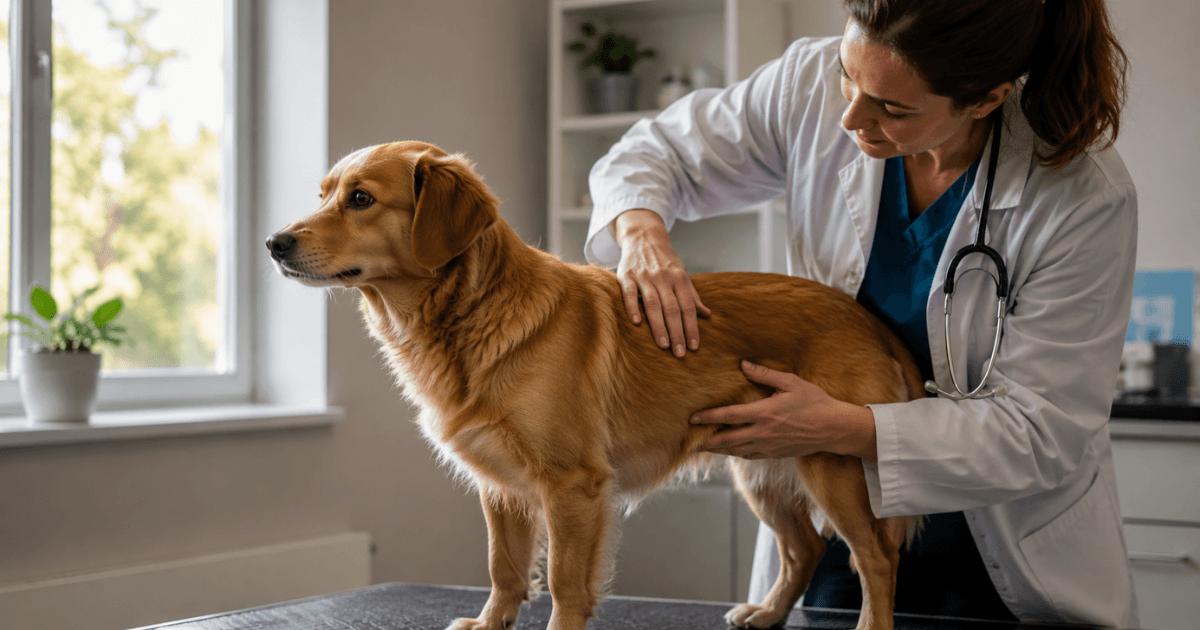
Weight Tracking
Pet Body Condition Score: 1-9 Chart for Dogs and Cats
Learn how to use the 1-9 pet body condition score to assess dogs and cats, spot underweight or overweight signs, and monitor healthy body condition.
Vets throw around a lot of numbers at checkups, but one of the most useful ones rarely gets explained: the body condition score. It’s a simple 1-9 scale that says more about your pet’s actual health than the number on a scale ever could, and once you understand it, you can check it yourself between vet visits.
What Body Condition Score Actually Measures
Unlike a bathroom scale, which only tells you total weight, body condition score looks at how that weight is distributed - how easily you can feel ribs, whether there’s a visible waist, and how much fat sits over the spine and hips. Two pets can weigh the exact same number on a scale and land in completely different places on this scale, because BCS accounts for frame size and muscle in a way raw weight can’t.
The 1-9 Scale, Broken Down
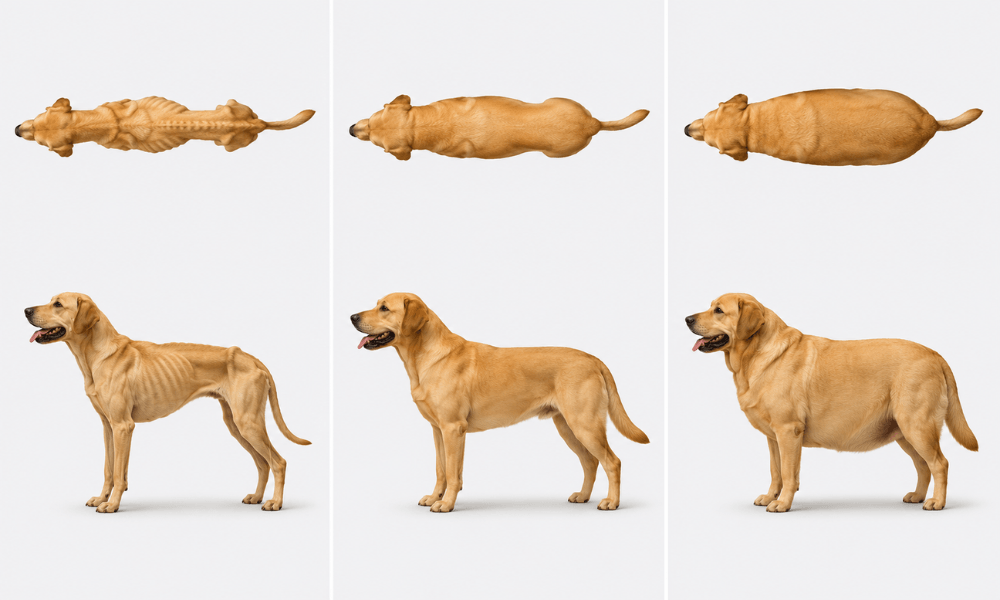
The scale runs from severely underweight to severely obese, with the healthy range sitting in the middle:
- 1-3 (Underweight): Ribs, spine, and hip bones are easily visible with no fat cover. Minimal to no waist tuck, and an obvious loss of muscle mass in more severe cases.
- 4-5 (Ideal): Ribs are easily felt with slight fat cover, not visible. A visible waist from above and a clear abdominal tuck from the side.
- 6-7 (Overweight): Ribs are felt only with firm pressure. Waist is poorly defined or absent, and the abdominal tuck is minimal.
- 8-9 (Obese): Ribs are difficult or impossible to feel under a heavy fat layer. No waist, a rounded or distended abdomen, and fat deposits over the spine and base of the tail.
How to Score Your Pet at Home
You don’t need any equipment, just your hands and a couple of minutes:
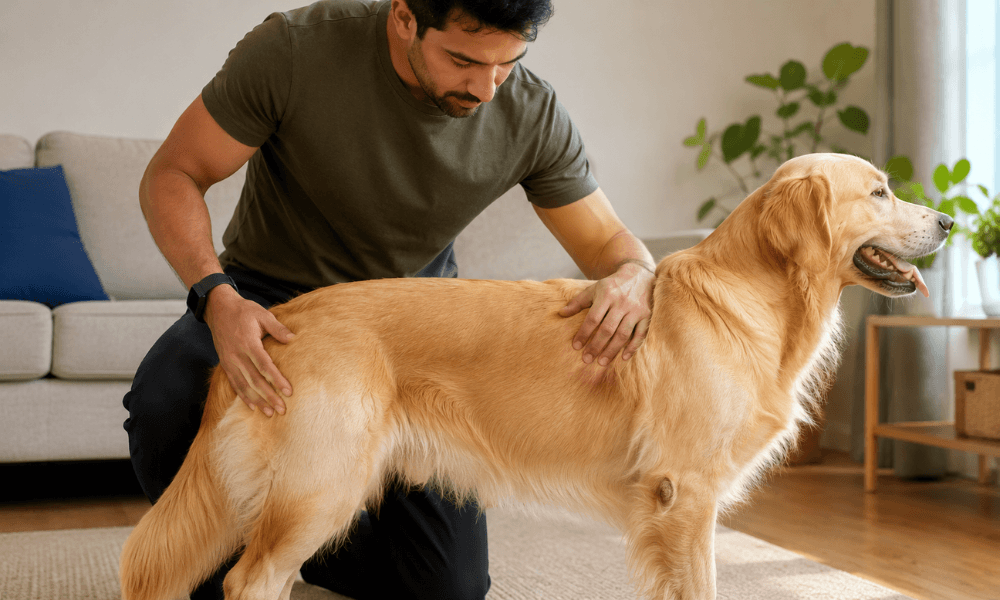
- Feel the ribs - run your fingers along your pet’s sides with light pressure. Ideal condition means feeling ribs easily, like the back of your hand.
- Look for a waist - view your pet from above while standing. There should be a visible narrowing behind the ribcage.
- Check the side tuck - look at the belly line from the side. It should angle upward from the ribcage to the hind legs, not hang flat or sag.
- Feel along the spine and hips - ideal condition means these bones are felt with slight pressure, not sticking out and not buried.
Why This Number Matters More Than the Scale
A single weight number doesn’t tell you whether a pet is a large, lean breed carrying healthy muscle or a smaller frame carrying extra fat. Body condition score fixes that by looking at the pet in front of you rather than comparing to a generic chart. It’s also a number you can track consistently over time, even without a scale handy, which makes it useful for spotting slow changes between vet visits.
Tracking this kind of thing consistently is exactly where things tend to fall through the cracks - a mental note at one checkup rarely survives to the next one. PawCare AI’s weight tracking gives you a place to log check-ins between vet visits, so a gradual shift shows up as a trend instead of a surprise.
Track Your Pet’s Weight Over Time
The bottom line
Body condition score fills in what a scale alone can’t tell you. A quick rib, waist, and spine check every so often is one of the simplest habits you can build, and it catches changes long before they become obvious just by looking.
Keep reading
Jul 31, 2026
Dog Weight Chart by Breed: Healthy Weights for 50+ Breeds (2026)
Exact healthy weight ranges for 50+ dog breeds. Identify if your dog is overweight with vet-approved body condition scoring.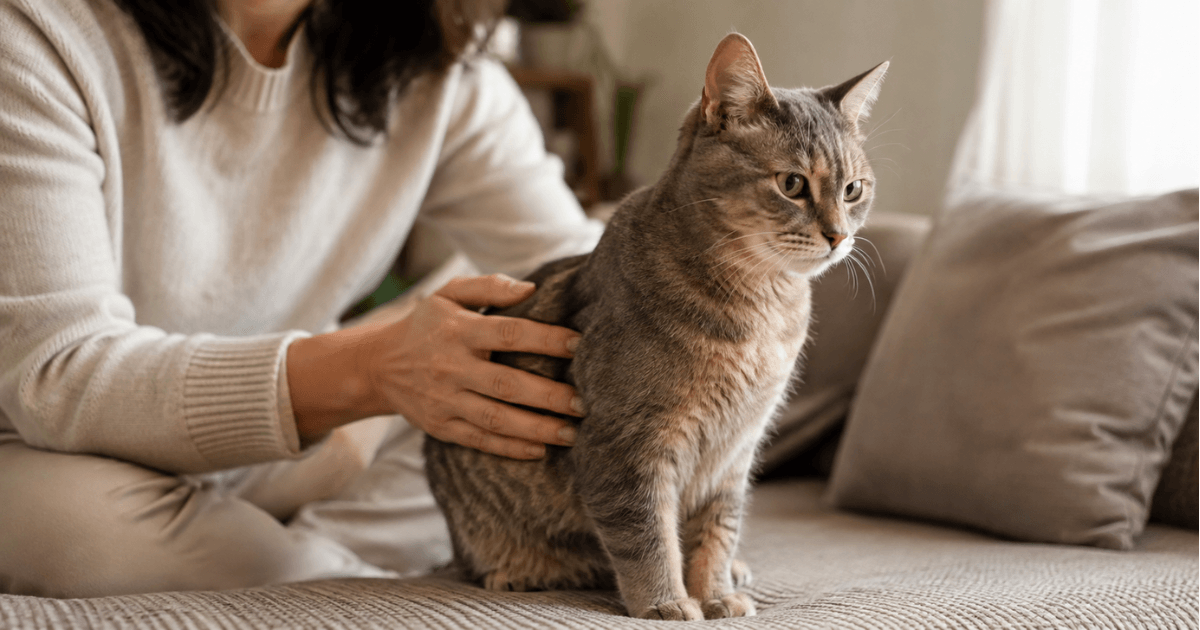
Aug 1, 2026
How to Tell if Your Cat Is Overweight: 5 Checks at Home
If you're wondering how to tell if your cat is overweight, you can start with a few simple checks at home. Look at your cat's ribs, waist, overall body shape, and how those features appear together.
Jul 23, 2026