
Pet care
Decoding Your Dog's Body Language: A Health Perspective
How to read your dog's posture and body language for early signs of pain or discomfort, not just mood.
Most dog body language advice is about mood - is my dog happy, anxious, excited? Less talked about is that posture and body language are also some of the earliest signals of physical discomfort, often showing up well before a limp or a whimper makes it obvious. Learning to read a few of these signs can help you catch something early instead of after it’s become harder to miss.
A Lowered or Tucked Tail (Beyond Nervousness)
A tucked tail usually gets read as fear or anxiety, and often it is. But a tail that’s consistently held lower than usual, especially in a dog who normally carries it high, can also point to discomfort in the hips, spine, or tail itself. Context matters - a one-off tuck during a thunderstorm is different from a tail that’s stayed low for days.
Shifting Weight Off One Side
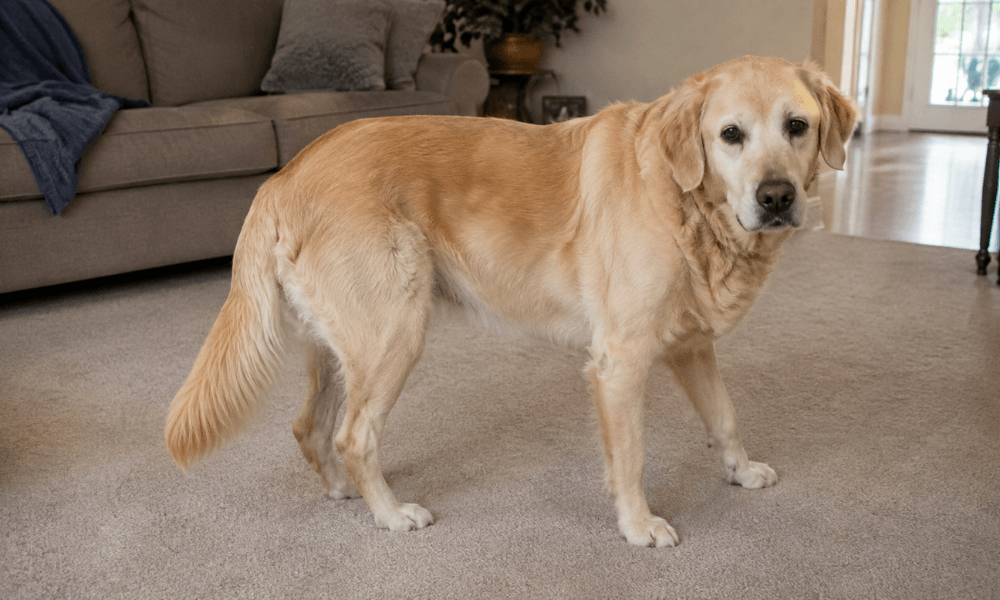
Watch how your dog stands when they’re not moving. A dog consistently shifting weight away from one leg, standing with an uneven stance, or avoiding putting full weight on one side is often showing an early sign of joint or muscle discomfort, even without an obvious limp yet.
A Hunched or Tense Back
A dog arching or hunching their back, especially paired with a tucked-in abdomen, can be a sign of stomach discomfort or abdominal pain. This is different from a normal stretch - a hunch that persists while standing or walking is worth noting.
Reluctance to Make Eye Contact or Ears Pinned Back
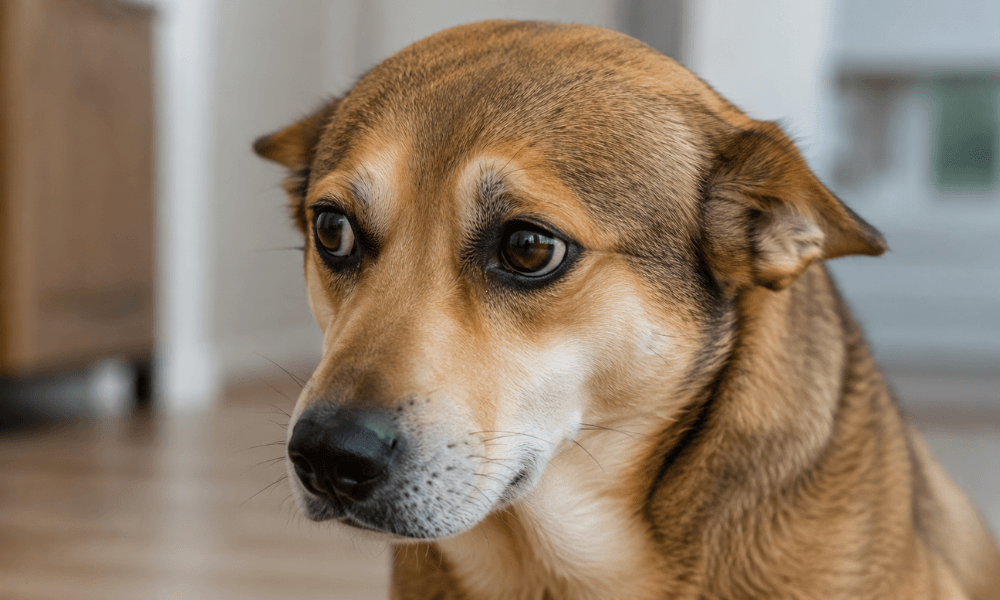
Ears pinned flat against the head combined with avoiding eye contact often gets read purely as submission or stress, but it’s also a common pain response. A dog who’s normally engaged and suddenly seems withdrawn in this specific way, especially around being touched, is worth watching more closely.
Excessive Lip Licking or Yawning Outside of Sleep
Lip licking and yawning are classic stress signals, but they’re also common low-grade pain indicators, particularly when they show up outside of normal contexts like waking up or greeting someone. A dog doing either repeatedly during a calm moment, with nothing obviously stressful happening, is worth a closer look.
Why Baseline Matters More Than Any Single Sign
None of these signs mean much in isolation - a lot of dogs naturally hold their ears back or shift their weight without anything being wrong. What actually matters is knowing your own dog’s normal baseline well enough to notice when something’s off from it. That’s easier said than done when the change happens gradually over weeks. PawCare AI’s AI health coach and weekly health reviews are built for exactly this kind of pattern-spotting, giving you a place to note what’s changed so a slow shift doesn’t slip by unnoticed.
The bottom line
Body language tells you more about your dog’s physical state than most people realize, especially in the early stages before something becomes obvious. Learn what’s normal for your dog specifically, and treat a lasting change in posture or expression as worth a second look rather than something to brush off.
Keep reading

Aug 7, 2026
10 Signs Your Dog Needs to See a Vet Soon (Not Later)
Ten warning signs in dogs that warrant a vet visit this week, and how to tell them apart from true emergencies.
Aug 17, 2026
Why Does My Dog Keep Scratching? Common Causes Explained
The most common reasons behind persistent dog scratching and how to tell when it's time to call the vet.
Aug 11, 2026